
Filament Dryers
During FDM printing, many filament materials are prone to moisture absorption. Materials such as nylon, TPU, PETG, and even PLA can absorb moisture from the air during storage. Excessive moisture can lead to various printing issues, including stringing, bubbling, unstable extrusion, and reduced layer adhesion.
Filament dryers help control the moisture content of materials by gently heating the filament chamber while maintaining a low-humidity environment. By removing absorbed moisture before or during printing, filament dryers restore stable extrusion behavior and significantly improve overall print quality.
As a pioneer in desktop filament dryers, SUNLU offers a comprehensive product lineup covering entry-level to engineering-grade applications.
For everyday printing needs, the FilaDryer S2 features upgraded 360° uniform drying with a maximum temperature of 70°C, making it compatible with a wider range of materials. For multi-spool drying, the FilaDryer S4 includes a built-in filament parameter database and can dry up to four 1 kg spools simultaneously.
For engineering applications, the FilaDryer E2 is equipped with a 500 W PTC heating module, capable of reaching 110°C within 30 minutes. It also supports annealing, making it suitable for high-performance materials such as PA, PC, and PEEK.
The FilaDryer SP2 adopts a modular and expandable design, separating the heating base from the drying chambers. Up to three chambers can be vertically stacked, with each chamber holding two 1 kg spools. It features real-time humidity monitoring and PID precision temperature control, providing a flexible drying solution for multi-printer setups.
Additionally, the AMS Heater supports simultaneous drying during printing, heating up to 70°C within 20 minutes. It is specifically designed to integrate with the Bambu Lab AMS system, ensuring filament remains dry during feeding and improving overall print success rates.
From basic drying to annealing treatment, and from single-spool to multi-spool expansion, the SUNLU dryer series covers a wide range of printing scenarios.
Resin Post-Processing Equipment
After resin 3D printing is completed, printed models usually retain uncured resin on their surfaces. Therefore, two essential post-processing steps are required: washing and post-curing. Washing removes residual resin from the model surface, while post-curing uses ultraviolet (UV) light to further complete the polymerization process. This step improves the model’s mechanical strength, surface hardness, and dimensional stability.
To support these steps, the market provides two main categories of equipment: dedicated washing or curing machines, and all-in-one units that combine both functions, allowing users to choose according to their workflow and workspace requirements.
Wash & Cure All-in-One Machines
To simplify the workflow and save workspace, many manufacturers offer integrated wash-and-cure machines. These devices combine washing and UV curing functions in a single unit. They are often the preferred entry-level solution for LCD resin printer users. By sharing components such as washing baskets and rotating curing platforms, these systems enable a streamlined, one-step post-processing workflow.
Anycubic
The Wash & Cure series is known for its ease of use and strong compatibility with various resin printers. The Plus models offer a large capacity of up to 14.9 liters and support spray washing combined with rotating UV curing. These machines are compatible with most consumer resin printers on the market and are well suited for users who frequently process larger models.
Phrozen
The Wash Mega S is a high-capacity washing solution designed for professional or studio environments. It provides a 25-liter washing volume and supports dual-speed rotation settings, with a maximum speed of 300 RPM. The machine features solid construction and integrates well with the brand’s resin printer ecosystem, making it suitable for batch model processing.
Creality
The UW-01 is an entry-level post-processing device that integrates both washing and UV curing functions. Its all-in-one design simplifies the post-processing workflow for resin prints. The machine features a straightforward control interface, making it easy for beginners to operate. As an affordable post-processing solution within the Creality ecosystem, it is particularly suitable for entry-level users and hobbyists with limited budgets.
Standalone UV Curing Stations
Standalone UV curing stations use UV-LED light sources with specific wavelengths to post-cure washed resin prints. This process further completes the photopolymerization reaction, improving the model’s surface hardness, mechanical strength, and dimensional stability.
Compared with the curing functions integrated into wash-and-cure machines, standalone curing stations typically provide larger curing volumes, more uniform light distribution, or more advanced temperature control systems. They are therefore suitable for users who require higher model strength or frequently process larger prints.
SUNLU
The UV Resin Curing Enclosure RC-2 offers a curing volume of 200 × 200 × 250 mm and is equipped with 20 UV-LED light sources. It also incorporates a patented air-drying system with three adjustable fan speeds, allowing the model surface to dry more quickly during the curing process. The system is compatible with a wide range of 405 nm photopolymer resins.
Phrozen
The Phrozen Cure Mega S provides a large 25-liter curing chamber, capable of accommodating models up to 300 mm in height. Its surrounding LED lighting design ensures uniform curing even for large prints. The device is widely used in studio environments and small-batch production workflows.
HeyGears
The UltraCraft Cure features a dual-wavelength LED light system combined with a heating module, allowing the curing process to maintain a stable temperature. The system is optimized for precision applications such as dental models and collectible figurines, where consistent curing quality is critical.
EMAKE 3D
EMAKE 3D curing stations typically adopt a surround-light design and support multiple timer settings, providing flexible curing options. These devices are suitable for users who prefer separate post-processing equipment or already own a dedicated washing machine.
Overall, standalone curing stations and wash & cure all-in-one machines serve different needs. Standalone curing units usually provide larger capacity and more specialized curing performance, making them suitable for users who require higher model strength or batch processing. In contrast, integrated machines emphasize convenience and compact design, making them the mainstream choice for beginners and desktop-level resin printing users.
Different post-processing solutions vary in capacity, automation level, and curing uniformity. When selecting equipment, users typically consider factors such as printer size, typical model dimensions, printing frequency, and available workspace in order to build a stable and efficient resin-printing post-processing workflow.
3D Printing Tools and Accessories
Print Surfaces and Adhesion
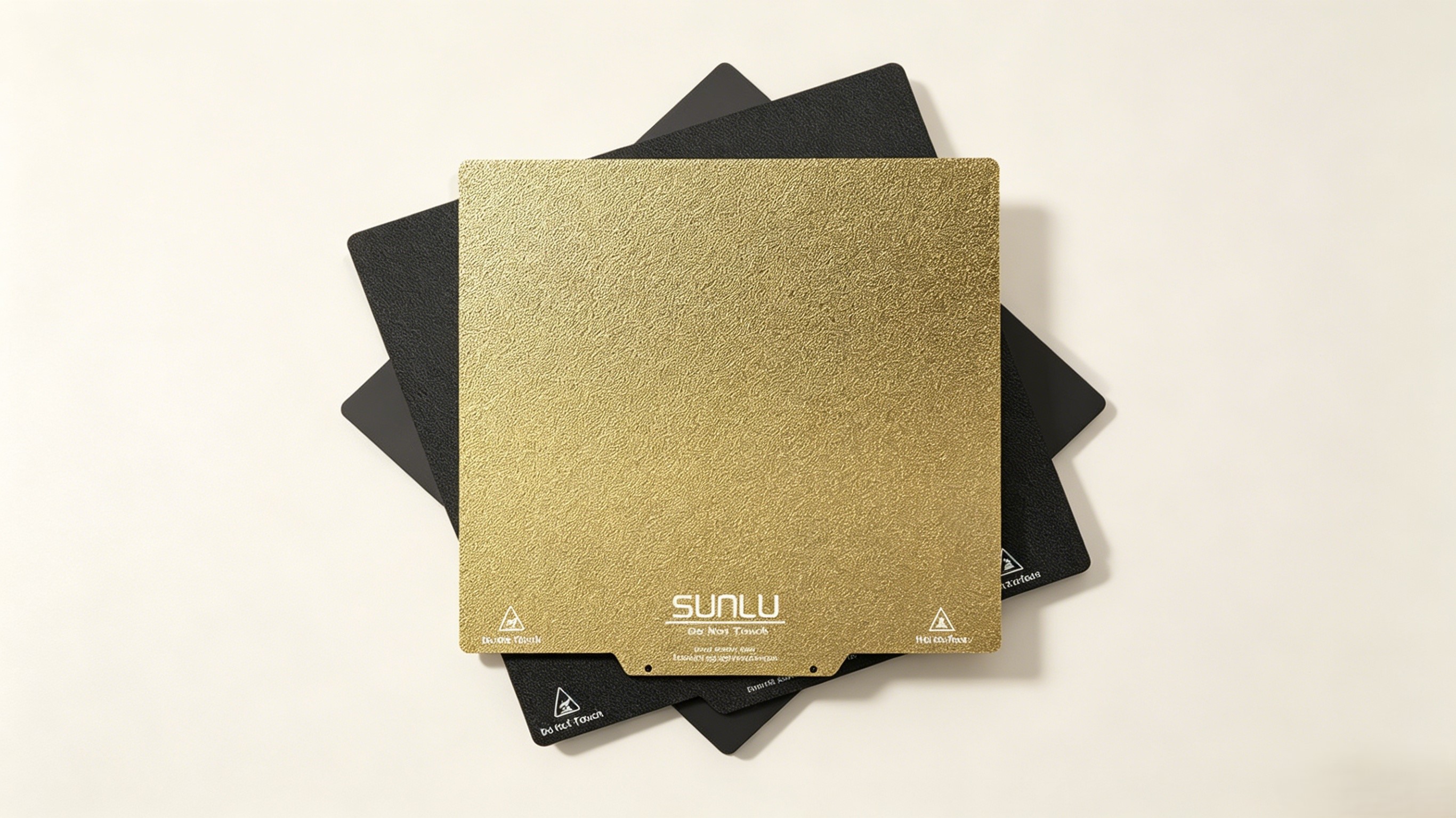
PEI Build Plate
A flexible spring steel plate with a powder-coated PEI surface that provides a textured finish. The sheet is double-sided and resistant to deformation. It improves first-layer adhesion and reduces warping. After cooling, prints can usually be removed by gently flexing the plate.
Cold Build Plate
A printing surface designed to provide strong adhesion at room temperature or low temperatures. The heated bed is usually not required. After printing, the plate can be slightly bent to release the model without using a scraper.
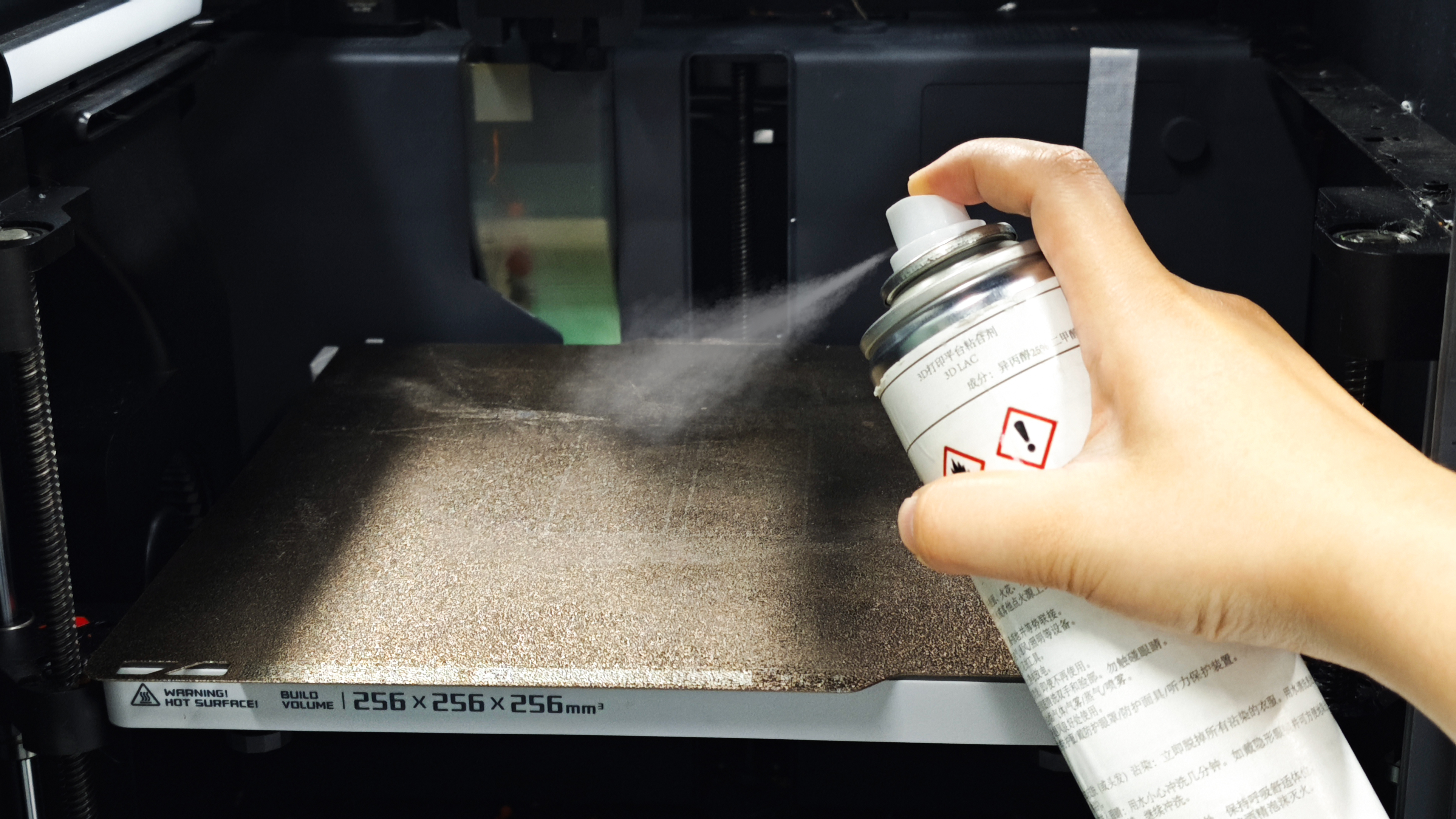
3D Printer Glue Stick
An auxiliary adhesion medium applied to the print bed. It improves first-layer adhesion and helps reduce warping. After cooling, it can also assist in easier model removal.
Post-Processing Tools
3D Printing Glue
A strong adhesive designed for common 3D printing materials such as PLA, ABS, PETG, TPU, ASA, and nylon. It is commonly used for bonding printed parts, repairing broken models, and assembling components.
Deburring Tool (Blade Type)
Used to remove burrs and sharp edges from printed parts. It can also be used for light chamfering or hole finishing.
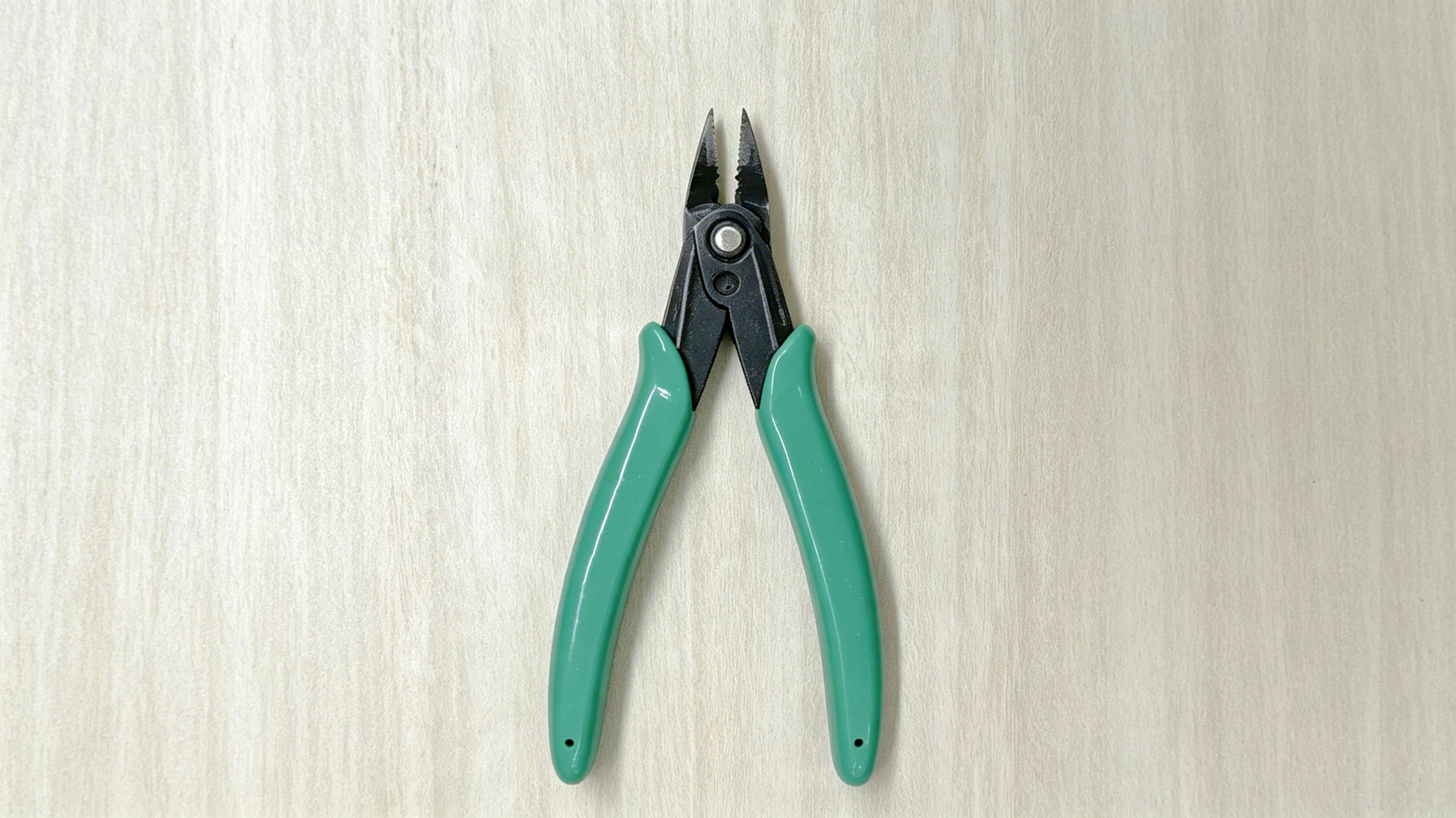
Model Clippers / Side Cutters
Used to remove support structures or trim excess material from printed models.
Acrylic Paint
A commonly used water-based paint made with acrylic resin as the main binder. It dries quickly, has low odor, and provides good adhesion. Acrylic paints are widely used for hand painting, detailing, and touch-ups on 3D printed models, and can be thinned with water or dedicated thinners.
Acrylic Paint Markers
Commonly used for touch-ups, detailing, and small-area painting on 3D printed models.
Printer Maintenance and Cleaning
3D Printer Nozzle Maintenance Kit
Typical components include:
- Cleaning needles and push rods: for clearing clogged nozzles and removing internal residue
- Brass brush: for cleaning filament residue on the nozzle exterior or debris on the build plate
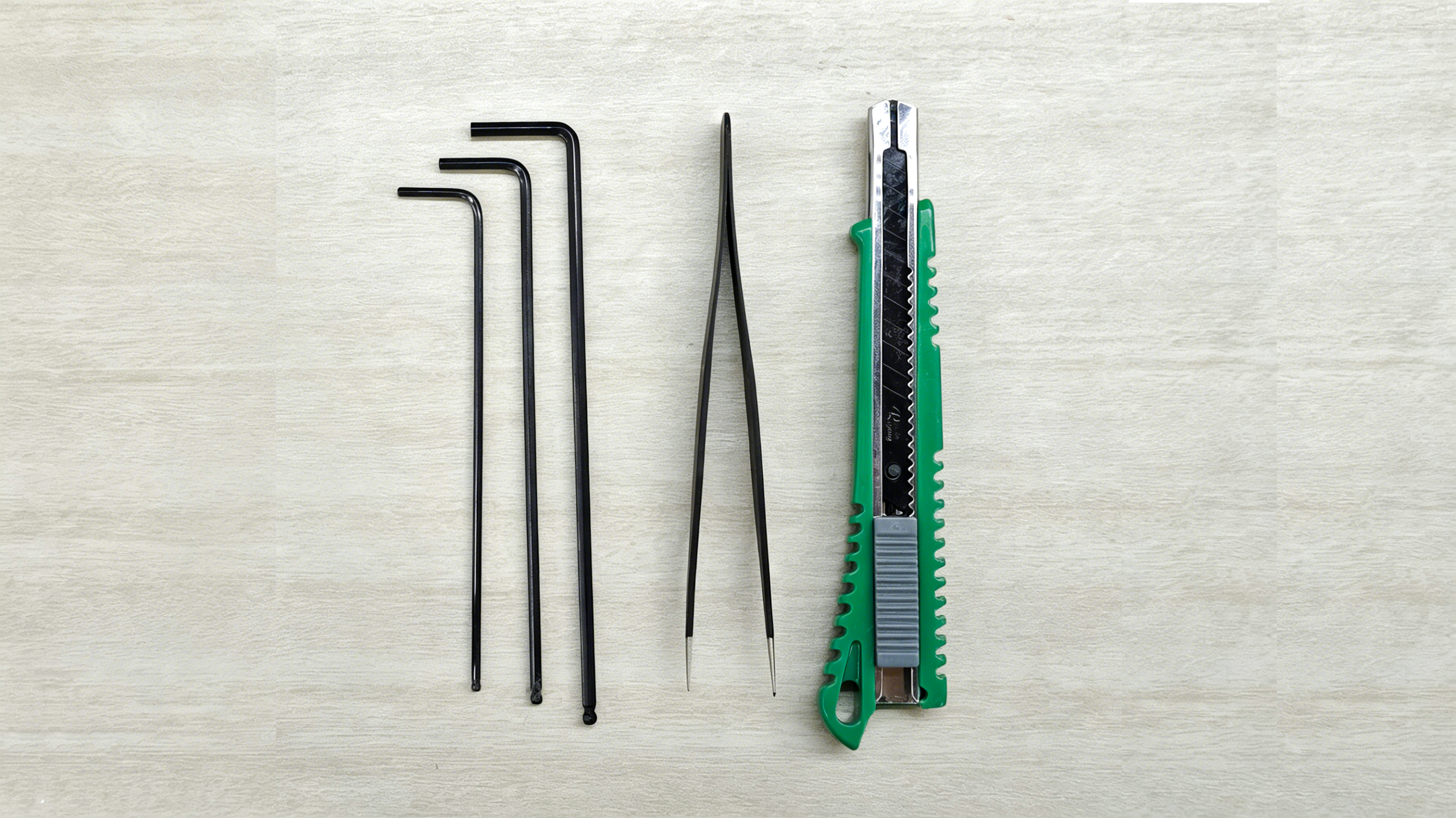
- Wrenches: L-type or open-end wrenches for nozzle installation and removal
- Tweezers: usually angled tweezers for handling small parts or removing filament residue
3D Printing Scraper
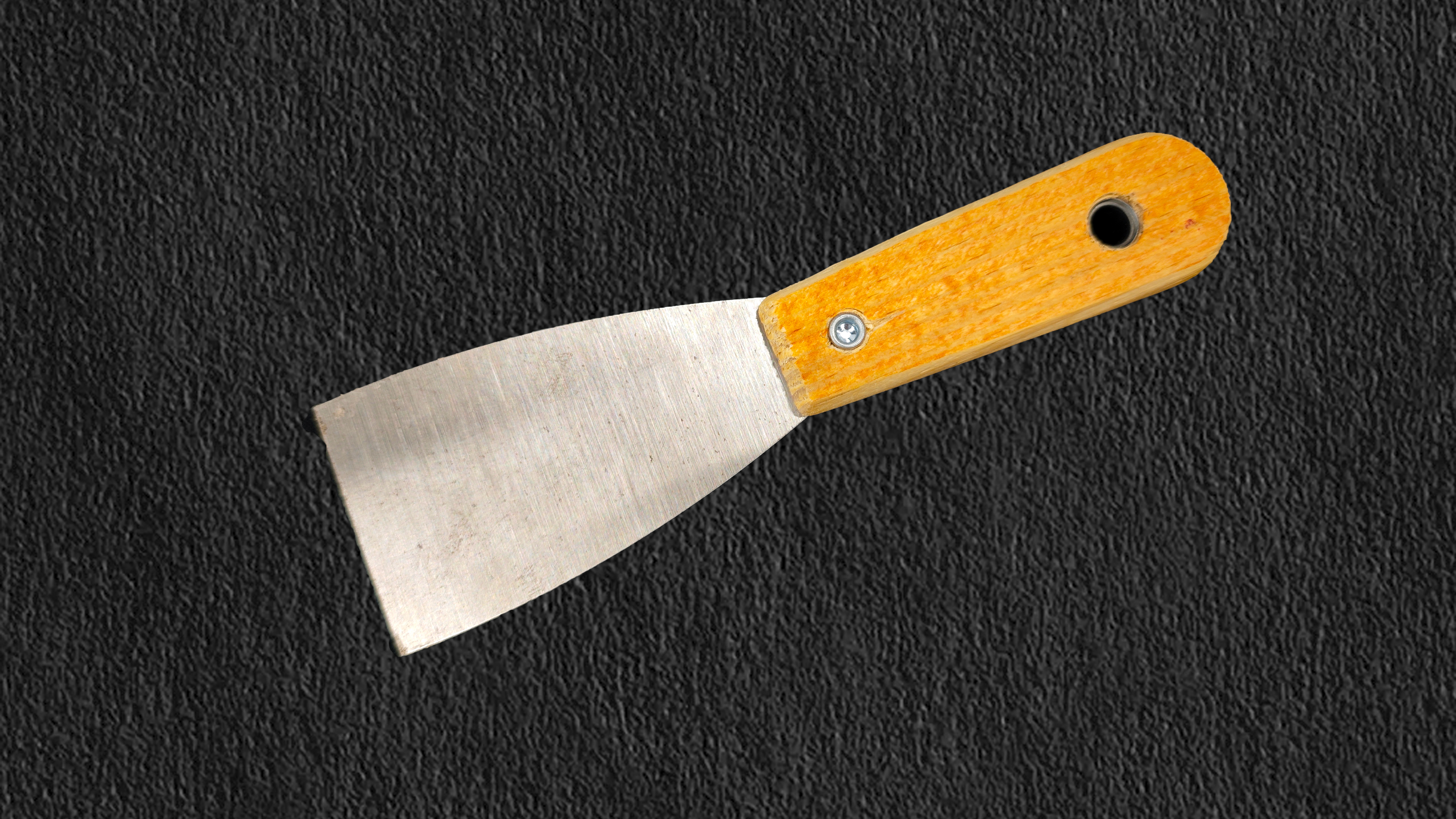
A tool used to separate printed models from the build plate by sliding under the base of the print.