

Extruder Types
The extruder is a core component of an FDM 3D printer, responsible for feeding solid filament into the hotend in a stable and controlled manner. Based on the mounting configuration, extruders are typically divided into two types:
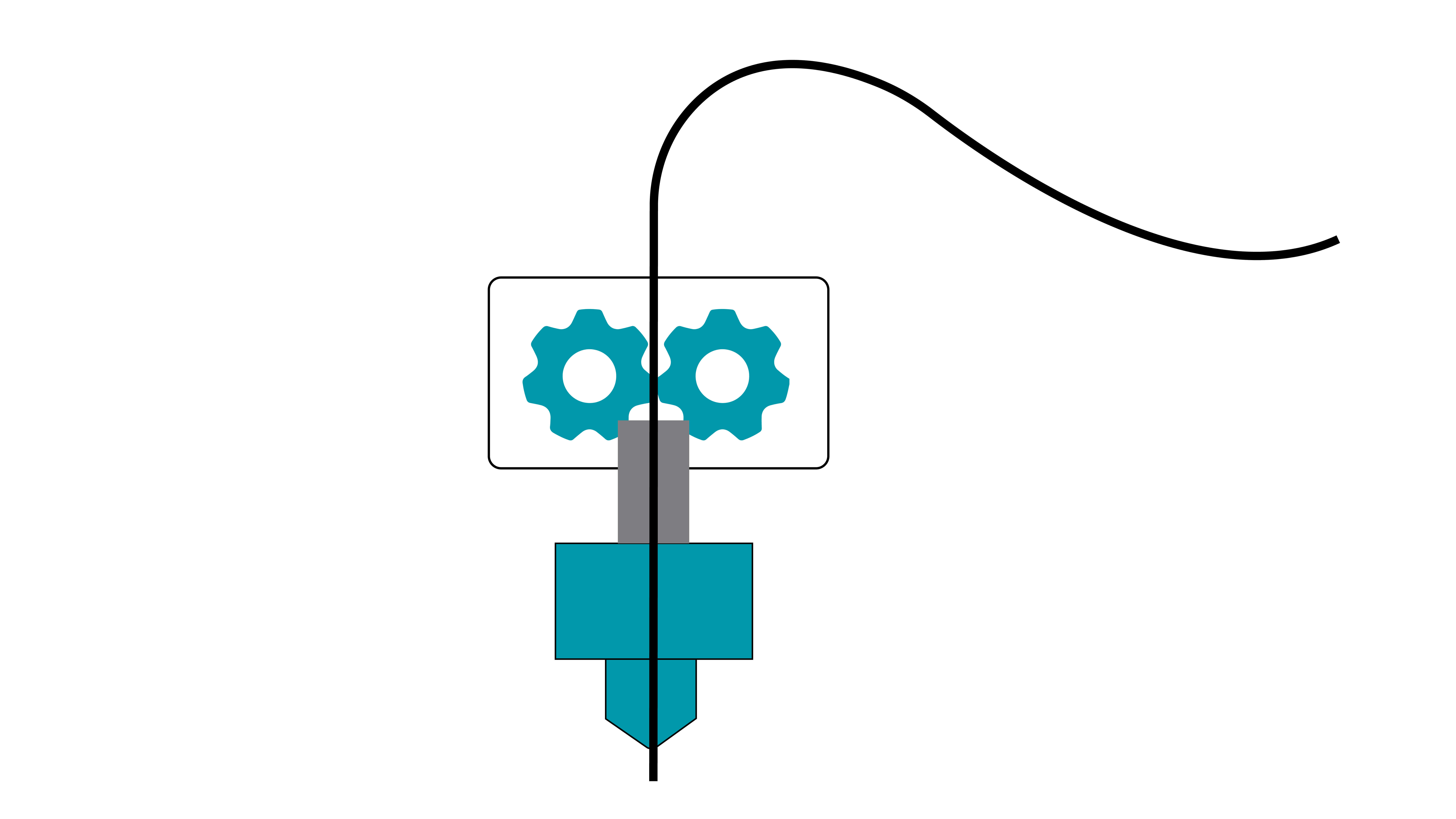
Direct-Drive Extruder
In a direct drive extruder, the stepper motor and filament feeding mechanism are mounted directly on the print head, forming a rigid connection with the nozzle.
Key Characteristics
| Aspect | Description |
| Extrusion response | Very fast (short filament path, immediate retraction response) |
| Flexible materials | Excellent (soft filaments like TPU are less likely to buckle or jam) |
| Print head weight | Heavier (includes the motor) |
| Print speed | Limited (higher inertia) |
| Retraction performance | Strong (reduced stringing) |
Typical Applications
- Printing flexible materials (TPU, TPE)
- Models requiring precise retraction control
- Low to medium-speed printing
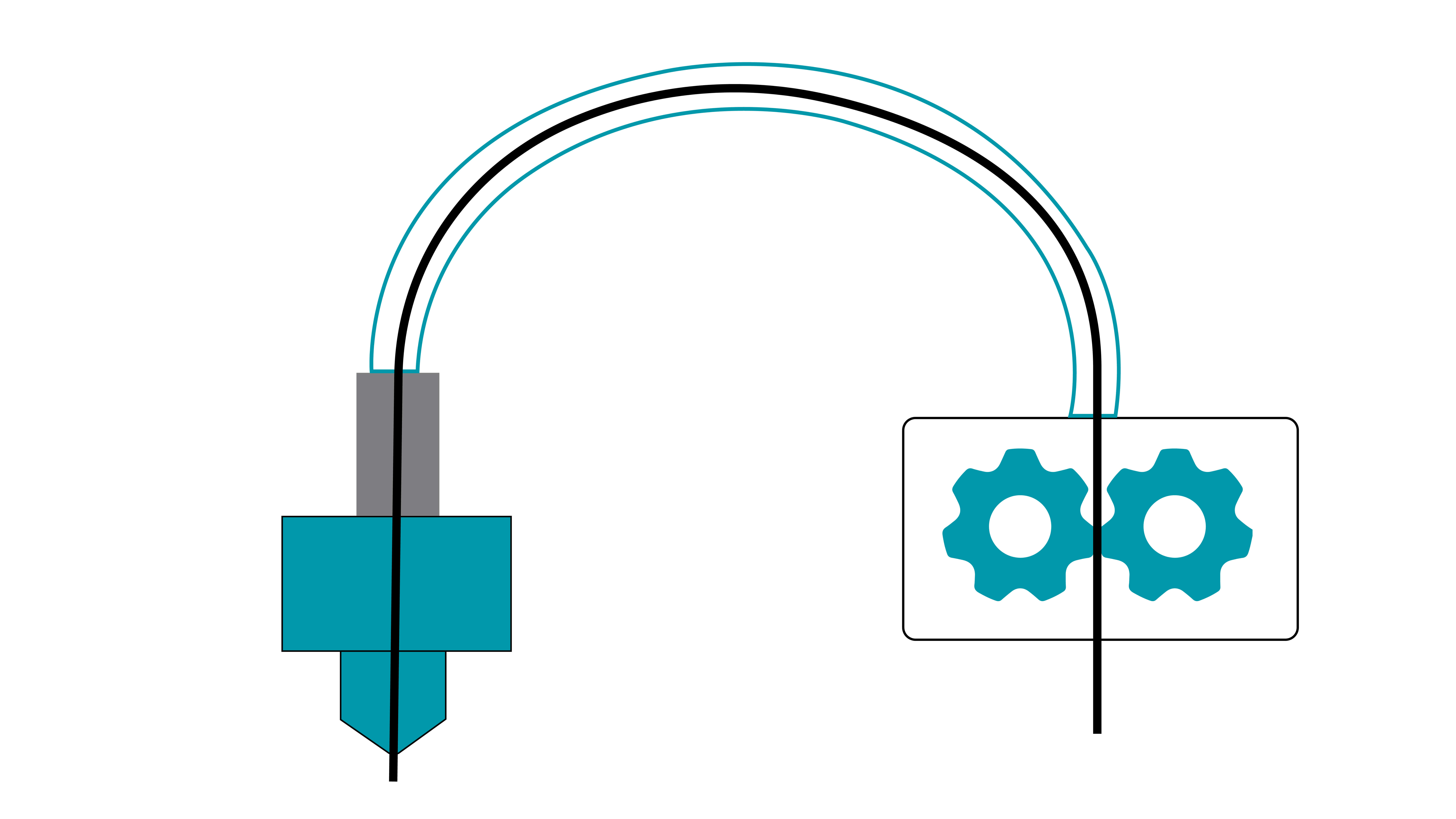
Bowden Extruder
In a Bowden extruder, the stepper motor and feeding mechanism are mounted on the printer frame, away from the print head. Filament is guided through a long PTFE tube into the hotend.
Key Characteristics
| Aspect | Description |
| Extrusion response | Slower (elastic lag due to the long filament path) |
| Flexible materials | Limited (TPU may bend or jam inside the tube) |
| Print head weight | Lightweight (motor is not mounted on the print head) |
| Print speed | Higher (reduced moving mass) |
| Retraction performance | Moderate (requires longer retraction distances) |
Typical Applications
- High-speed printing (>150 mm/s)
- Large-format printers (reduced moving mass improves stability)
- Printing rigid materials (PLA, ABS, PETG, nylon, etc.)