Blogs

Stay informed with the latest 3D printing news and expert insights to enhance your experience. By actively participating in global events, providing high-quality materials, and fulfilling our commitment to serving customers worldwide, SUNLU remains at the forefront of industry trends.

Keep It Dry, Print It Right: Inside the i10 Filament Dehumidifying Cabinet

Products Knowledge

Keep It Dry, Print It Right: Inside the i10 Filament Dehumidifying Cabinet

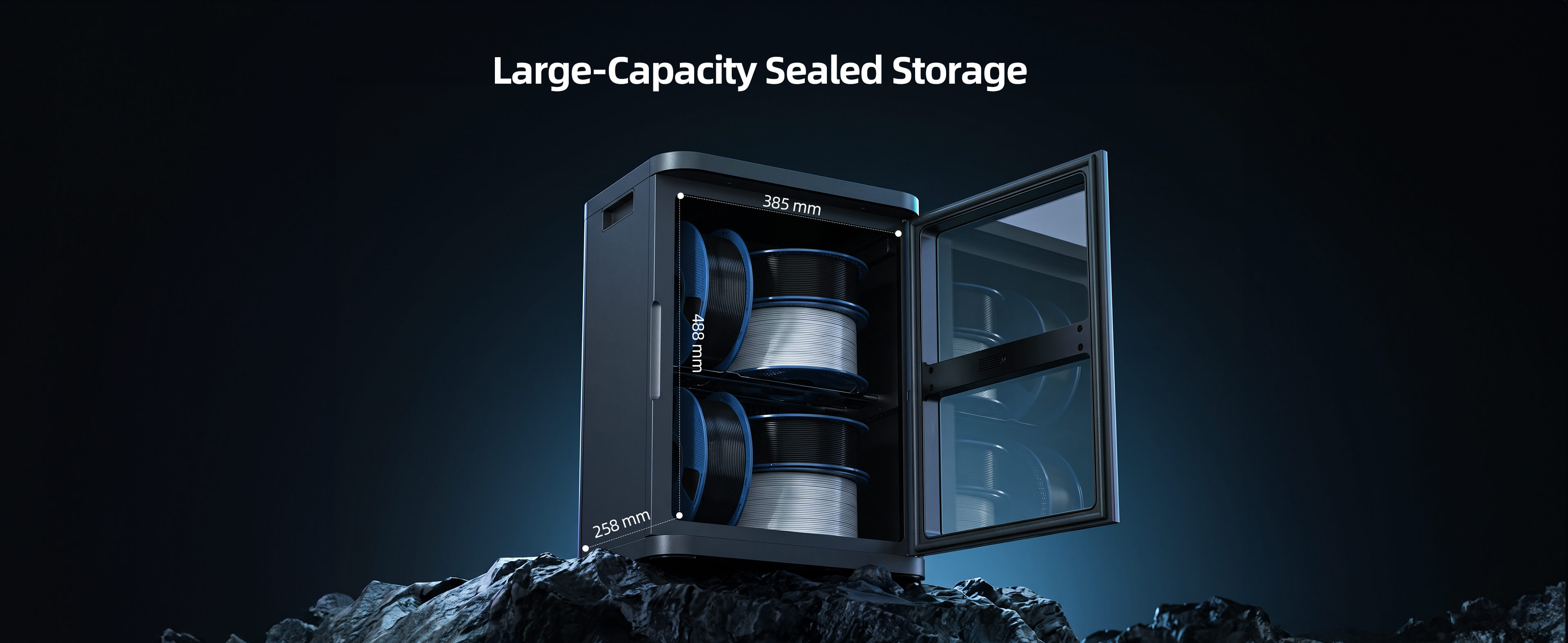
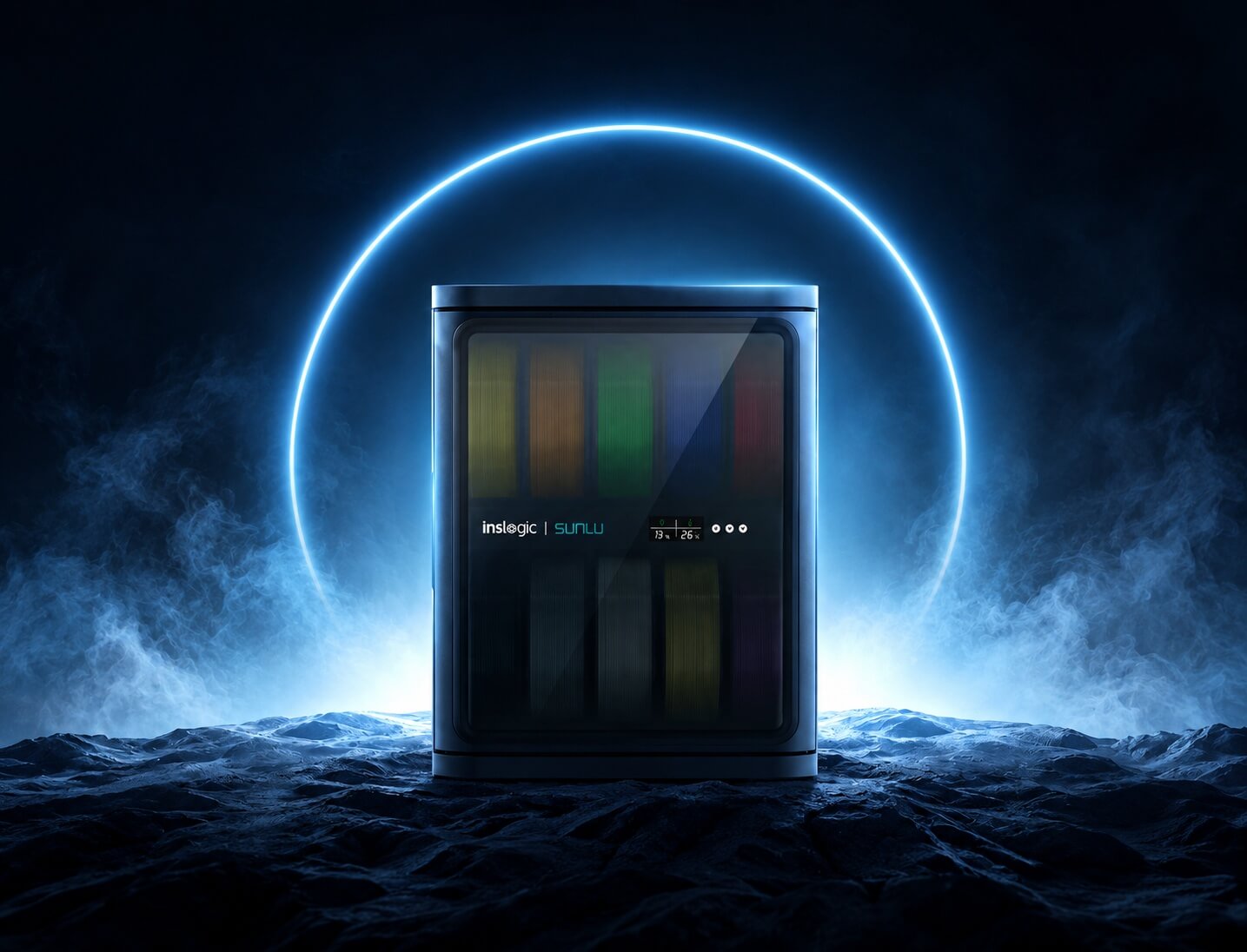
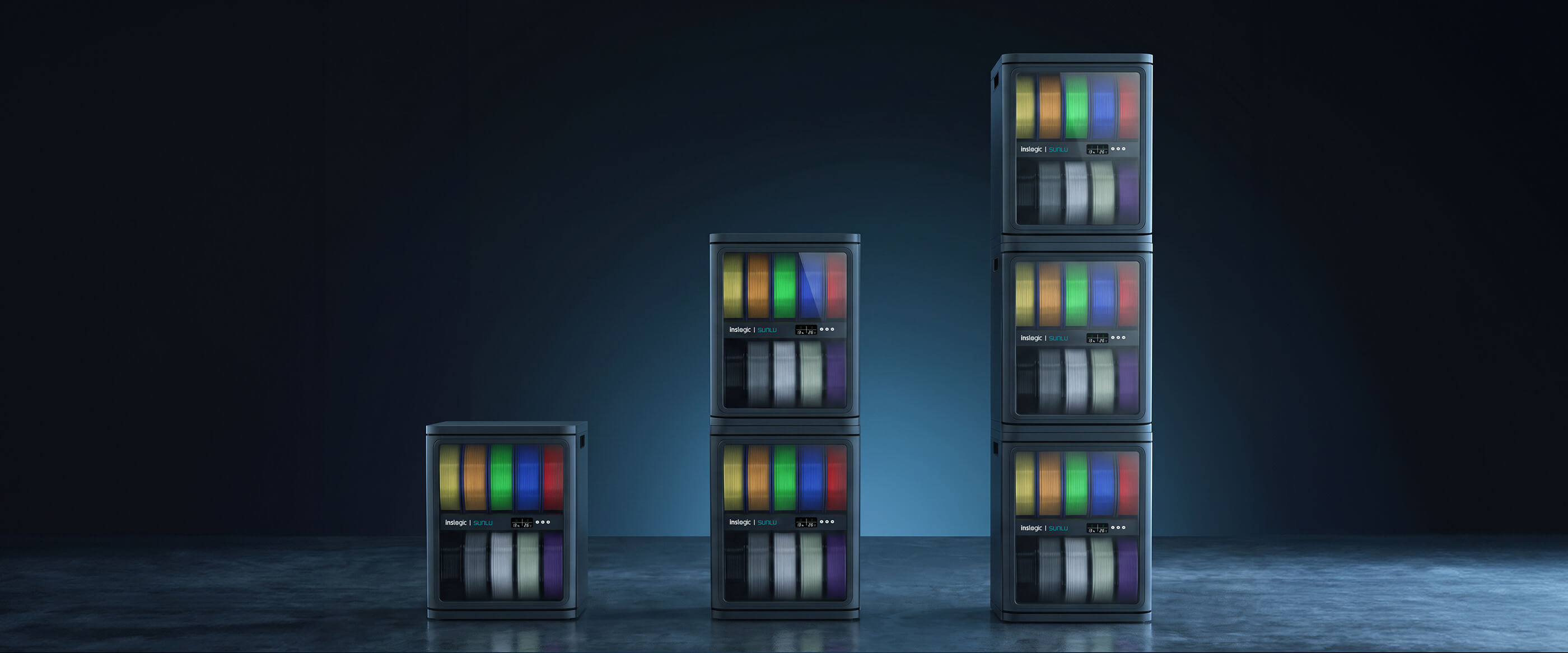
Proper 3D filament storage requires keeping spools sealed and dry. When exposed to humid air, filaments can absorb moisture and cause issues such as stringing, bubbling, and whitening in a print. Materials such as nylon, PVA, and TPU are particularly susceptible because they absorb moisture from the air more readily than other filaments.That’s why we at SUNLU have joined forces with Inslogic to introduce the i10 Filament Dehumidifying Cabinet, a convenient and reliable filament storage solution.This filament dehumidifier adopts innovative dehumidifying technology while offering generous storage space, a tightly sealed design, low energy consumption, convenient and quiet operation, and multiple safety protections.Molecular Sieve DehumidificationThe i10 is based on physical moisture adsorption and smart cycling. During operation, the molecular sieve first adsorbs moisture from the air inside the cabinet. PTC heating then releases the collected moisture and cools down to restore the molecular sieve adsorption capacity. This cycle repeats automatically to provide continuous humidity control, helping maintain a stable storage environment with relative humidity levels between 10% and 45%.By controlling moisture rather than relying on prolonged high-temperature storage, the i10 helps reduce moisture-related degradation and keeps filament in a more stable condition during storage.Moreover, the cabinet can be used to protect other moisture-sensitive items, such as camera lenses, powders, electronic components, and tools. This makes it a versatile storage solution. Large Storage CapacityWith an internal space measuring 385 mm long, 258 mm wide, and 488 mm high, the i10 can store up to ten 1 kg filament spools at the same time. It also supports filament spool sizes ranging from 0.25 kg to 5 kg, giving users more flexibility when storing different materials and spool formats.For studios, print farms, and users with growing filament collections, multiple cabinets can be stacked to expand storage capacity while keeping the setup neat and saving valuable floor space. For the best balance of accessibility and everyday usability, stacking up to three cabinets is recommended. Strong and Long-Lasting Moisture ProtectionGood moisture protection starts with a tight seal. The i10 Filament Dehumidifying Cabinet features a tight sealing gasket to prevent moisture and three strong magnets that can hold the door firmly closed. This design helps maintain a consistently dry storage environment, keeping filaments in better condition and ready for reliable printing.Low Energy OperationYou may be concerned that, since the i10 cabinet needs to stay powered continuously, it might lead to high electricity costs. The truth is, the i10 consumes only around 0.23 kWh over 24 hours. This low energy consumption makes it suitable for continuous usage. You can keep it running without worrying that a spike appears in your electricity bill.The figure was tested at 25°C and 60% relative humidity in an empty chamber and actual results may vary depending on your environment. Quiet OperationThe i10 also operates at less than 30 dB. Its sound level is comparable to rustling leaves, allowing it to run quietly in homes, offices, workshops, and print rooms.Easy to Use and Ready Out of the BoxWeighing only 5.8 kg and featuring a recessed handle, the i10 is easy to position or move when needed. Its integrated design requires no complicated installation, so it is ready to use straight out of the box.Filament can remain inside the cabinet until you are ready to print. Test data shows that PETG filament with an initial moisture content of 0.34% dropped to 0.21% after being stored in the i10 for 96 hours.  By comparison, PETG with an initial moisture content of 0.35% increased to 0.39% after being left exposed for the same period. As you can see below, properly stored filament produces cleaner and more consistent results. The print on the left was made with PETG at 0.21% moisture content, while the one on the right used PETG at 0.39% moisture content.  Multiple Safety ProtectionsThe i10 includes both hardware and software protection for safer long-term operation. At the hardware level, the PTC heating unit is equipped with a secondary temperature protection switch. At the software level, an intelligent temperature-control system continuously monitors operating conditions. If an excessive temperature is detected, the system provides a real-time warning, adding another layer of protection for the cabinet, filament, and surrounding workspace.The $1 Early Access Pass to the i10 Is Now AvailableThe i10 Filament Dehumidifying Cabinet combines reliable room-temperature humidity control, large storage capacity, and convenient operation. It provides a practical way to protect filament quality and support more consistent printing results.The $1 Early Access Pass is now available. Pay just $1 to receive $10 off your i10 pre-order, and the discount can be stacked on top of the pre-order price.The product is priced at $199.99, and stay tuned for the pre-order price!Claim Offer

SUNLU Strengthens Its Filament Lineup with Silk 2.0 and PETG 2.0 Materials

Products Knowledge

SUNLU Strengthens Its Filament Lineup with Silk 2.0 and PETG 2.0 Materials

SUNLU continues to expand its 3D printing filament portfolio with PETG 2.0 and Silk 2.0, two materials developed to address common challenges faced by makers while improving the overall printing experience.PETG 2.0: Designed for More Consistent PrintingPETG is one of the most used filament on the market and in the same time sensitive to moisture. When exposed to humidity, water molecules can penetrate the material and interact with its molecular structure, causing problems such as stringing, bubbles, and poor layer adhesion. Our PETG 2.0 has been developed to remove the moisture concern from the head of the users, helping them to achieve more consistent printing results straight out of the box.Our testing demonstrates how moisture content can influence print quality over time. In controlled testing, PETG 2.0 maintained normal tower-tip printing even after being left in the open for 15 days, while other filament brand would experience stringing,bubbles and failures. The testing also highlights the importance of proper filament storage and drying to maintain consistent performance.The testing further demonstrates the benefits of drying PETG 2.0 before printing. After drying at 65°C for 12 hours, the filament was tested again after being exposed to different conditions, allowing us to evaluate how moisture levels affect printing performance.Silk 2.0: A More Refined Silk Finish with Improved PerformanceAlongside PETG 2.0, We are also introducing Silk 2.0, developed to improve upon the visual qualities traditionally associated with silk PLA while addressing some of the performance limitations users may experience with silk filaments.Silk 2.0 delivers a high-gloss, eye-catching surface finish, making it particularly suited to decorative models, display pieces and other projects where appearance is important. SUNLU's testing includes comparisons with existing silk filaments and competing products using brightness measurements to evaluate the visual finish.However, Silk 2.0 is designed to go beyond appearance alone. We highlights its improved notch impact performance, providing an advancement in mechanical performance compared with conventional silk filament. This development addresses a common concern with silk PLA, which can be more prone to brittleness and breakage.With PETG 2.0 focused on more consistent moisture-sensitive printing and Silk 2.0 combining a striking silk finish with improved toughness, We continue to develop materials designed to meet both the functional and creative needs of today's 3D printing community.

Carbon Fiber 3D Printing Filaments Explained

Products Knowledge

Carbon Fiber 3D Printing Filaments Explained

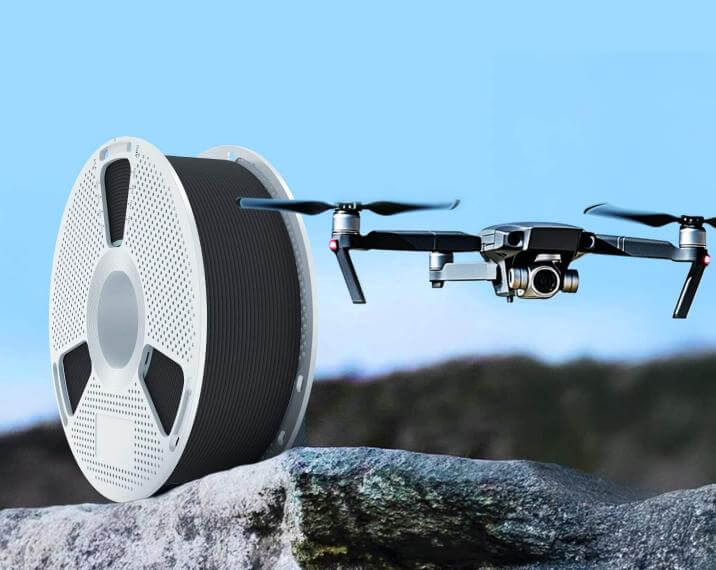
Regular filaments such as PLA and PETG work well for prototypes, decorative models, and many everyday prints. However, these materials may not be suitable for engineering components. Engineering components often need to carry continuous loads, maintain precise dimensions, resist heat, or remain stable during long-term use. These requirements call for filaments with enhanced mechanical and thermal properties.That's where carbon fiber reinforced filaments come in. These filaments can produce parts with higher stiffness, better dimensional stability, and improved strength-to-weight performance. How Does Carbon Fiber Reinforce 3D Printing Filament?In carbon fiber reinforced filaments, short, chopped fibers are mixed into a thermoplastic matrix to enhance the material’s mechanical properties.For example, PA6-CF contains 20% carbon fiber.carbon fiber can help resist bending and deformation. When the part is subjected to a load, the polymer matrix transfers part of the applied stress to the carbon fibers. The fibers then help carry the load and constrain deformation within the polymer matrix. This reinforcing effect increases the composite’s stiffness and allows the printed part to better resist bending and deformation.Carbon fiber can also improve dimensional stability. Chopped fibers can restrict movement within the polymer matrix as the material cools, which helps reduce shrinkage and warping during printing. As a result, carbon fiber reinforced filaments can produce parts that maintain their intended dimensions more consistently.Moreover, carbon fiber offers an excellent stiffness-to-weight ratio, allowing designers to reduce component weight while maintaining the required structural performance. This is particularly valuable in robotics, drones, automotive applications, and lightweight manufacturing equipment. Why Can the Same Carbon Fiber Filament Produce Different Results?A filament’s data sheet describes material potential under specific test conditions. Still, the performance of an actual 3D-printed part can be very different because FDM printing creates a layered and direction-dependent structure.During extrusion, chopped fibers tend to align with the direction of material flow. This can improve strength and stiffness along the printed path. However, the bonds between layers are still mainly created by the thermoplastic matrix. As a result, a part may be strong along the XY plane but considerably weaker in the Z direction.Part orientation is therefore critical. Load-bearing features should be positioned so that major forces follow the strongest print paths whenever possible. A poorly oriented component can fail between layers even when it is made from a high-quality carbon fiber material.Temperature also affects performance. If the nozzle temperature is too low, the material may not fuse properly, leading to weak layer adhesion and internal gaps. A suitable heated bed and controlled build environment can reduce thermal stress, warping, and premature separation.Moisture is another major concern, especially with carbon fiber nylon. Hygroscopic materials absorb water from the air. Wet filament may create bubbles, rough surfaces, inconsistent extrusion, and weaker parts. Drying the filament before printing and storing it in a sealed dry box can significantly improve reliability.Because carbon fiber is abrasive, a standard brass nozzle can wear quickly. A hardened steel, ruby, or other wear-resistant nozzle is usually required. A larger nozzle diameter may also reduce clogging and improve extrusion consistency, depending on the fiber length and material formulation. How to Get the Best Performance in Real ApplicationsSuccessful carbon fiber 3D printing begins with selecting the right matrix polymer. Carbon fiber PETG contains 10% carbon fiber, offering high strength and excellent toughness.Carbon fiber PETG may be sufficient for stable fixtures and machine accessories, while carbon fiber PA is often preferred for functional components requiring better toughness.Part design should reflect the realities of additive manufacturing. Sharp internal corners can concentrate stress, while thin walls and sudden changes in section thickness may create weak points. Adding fillets, using appropriate wall thickness, and reinforcing critical areas can improve durability without greatly increasing weight.Print settings should be validated rather than copied without testing. Nozzle temperature, chamber temperature, layer height, print speed, wall count, and infill strategy all influence the final component. For critical applications, test coupons printed in the intended orientation can help confirm mechanical performance before production.Post-processing may also be useful. Annealing can improve heat resistance and dimensional stability for certain materials, although it may cause shrinkage or distortion. Machining, threaded inserts, and protective coatings can help printed parts meet assembly and environmental requirements. ConclusionCarbon fiber 3D printing filament can offer higher stiffness, better dimensional stability, and a strong stiffness-to-weight ratio compared with many unfilled polymers. However, these advantages do not come from the carbon fiber alone. The matrix polymer, fiber characteristics, part orientation, print settings, moisture control, and part design all influence the performance of the final component.To get consistent results, choose a carbon fiber filament that matches the application and validate the printing conditions for your specific material and printer. With the right combination of material selection, preparation, and printing practices, carbon fiber reinforced filaments can be a practical choice for lightweight, rigid, and dimensionally stable parts.If you are looking for reliable materials for your next project, explore the carbon fiber 3D printing filaments at SUNLU and find a material suited to your printing and application requirements.

What Is Resin 3D Printing and How Does It Work?

Products Knowledge

What Is Resin 3D Printing and How Does It Work?

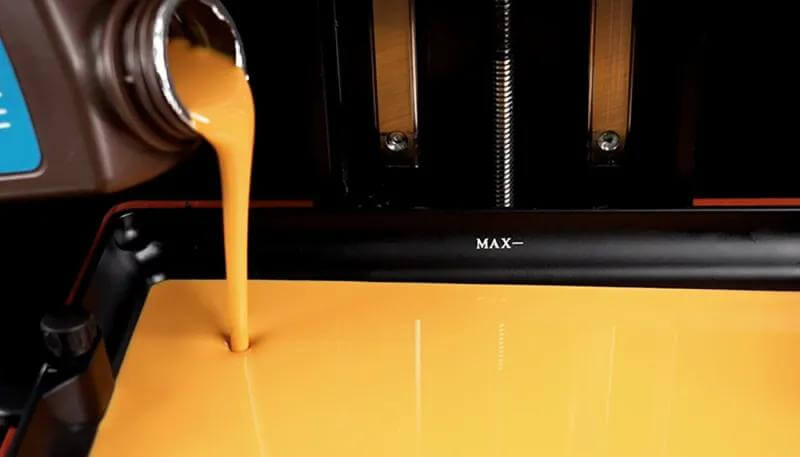
Resin 3D printing has become widely popular among hobbyists, designers, engineers, and model makers with its capability to produce smooth surfaces and fine details. It suits miniatures, prototypes, jewelry models, decorative parts, and components with small or complex features.But what exactly is resin 3D printing? How does it turn liquid into a solid object? Which resin should you choose? This guide answers these questions and explains everything you need to know before getting started.What Is Resin 3D Printing?Resin 3D printing is an additive manufacturing process that uses ultraviolet light to convert liquid photopolymer resin into solid plastic. The printer creates the object one thin layer at a time from a digital 3D model. Unlike FDM printing, which melts and deposits filament materials, resin printing relies on light curing technology to achieve finer details, smoother surfaces, and higher precision.The main vat photopolymerization methods include SLA, DLP, and MSLA. SLA typically uses a laser to trace each layer. DLP projects a complete layer image, while MSLA directs UV light through an LCD mask. The light systems of these methods differ but they all cure selected areas of liquid resin.How Does Resin 3D Printing Work?The process starts with a digital 3D file. Slicer software can divide the model into thin layers and calculate supports, orientation, and exposure settings. The user then fills the printer vat with compatible liquid resin.In a common desktop LCD printer, the build plate lowers toward the transparent film at the bottom of the vat. UV light passes through the LCD screen and hardens the shape of the first layer. The plate then lifts slightly so fresh resin can flow beneath the cured material. The printer repeats this cycle until the complete object forms on the build plate.The printed part still requires post-processing. A wash can remove uncured resin from the print’s surface. Standard resins should be cleaned with isopropyl alcohol (IPA) or a compatible resin cleaner, while water-washable resins can be cleaned with water. After drying, the part is exposed to UV light to complete the curing process and achieve its intended mechanical properties. Supports can then be removed, and any support marks can be sanded or finished as needed.Throughout the process, users should wear suitable gloves, ensure adequate ventilation, and follow all resin safety guidelines. Uncured resin, contaminated solvent, and used wash water should not be poured down household drains. Always dispose of these materials according to local waste regulations.Types of Resin Used in 3D PrintingThere are many types of 3D print resin, each type having different properties and applications.l Standard resin provides crisp detail, a smooth finish, and straightforward print settings. It’s a solid choice for display models, figurines, visual prototypes, and general hobby projects, though standard resins tend to be more brittle than functional ones.l Toughness resin offers greater impact resistance and durability, making it well suited for enclosures, brackets, tools, and prototypes that need to withstand moderate stress.l Flexible resin produces parts that can bend or compress. Common applications include grips, soft-touch parts, seals, wearable prototypes, and components requiring elasticity. Flexible resin often calls for careful support placement and finely tuned exposure settings.l Water-washable resin lets users clean surface residue with water instead of isopropyl alcohol, simplifying cleanup. The resulting wash water still contains resin and requires responsible disposal.l Engineering resin is formulated for specific technical needs, offering properties such as high heat resistance, stiffness, toughness, or low deformation depending on the formula. Users need to match the resin’s technical data to their printer and application.How Resin Quality Impacts Print ResultsLow-quality resin can undermine the accuracy, appearance, and strength of a print.Dimensional accuracy suffers first. Inconsistent formulas shrink unpredictably and cure unevenly, which throws off holes, walls, joints, and other mechanical features. The result is often warped surfaces, incorrect dimensions, or parts that don’t fit together properly during assembly.Aesthetics take a hit too. Sediment, contamination, or an unstable resin mixture can cause color variation, blotchy patches, and loss of fine texture. Edges that should be crisp can come out soft or uneven.Structural integrity is where poor resin quality shows up most seriously. Uneven curing weakens the bond between layers, leaving parts prone to cracking, delamination, or premature failure under stress.SUNLU Provides High-Quality Resin for 3D PrintingAt SUNLU, we offer a broad selection of high-quality resin for common LCD, DLP, and SLA applications. Our range includes Standard Resin, Standard Plus Resin, Water-Wash Standard Resin, ABS-Like Resin, Water-Wash ABS-Like Resin, Toughness Resin, Flexible Resin, PA-Like Resin, High Clear Resin, and High Temperature Plus Resin.This variety helps you select a formula based on detail, cleanup method, flexibility, toughness, clarity, or heat resistance. For example, our Water-Wash Standard Resin supports water cleanup and produces rigid models with clear details. Our Toughness and ABS-like options suit parts that require more durability than conventional standard resin, while our specialized products meet a range of visual and functional needs.Before use, check your printer’s wavelength requirements and the recommended exposure settings. Shake the sealed bottle as directed and print a small calibration model first. These steps help you achieve consistent results with SUNLU 3D print resin.You can also join the SUNLU Community to ask questions, share your 3D projects, and learn from other 3D printing enthusiasts. ConclusionResin 3D printing uses controlled UV light to build precise plastic objects from liquid photopolymer resin. Its smooth finish and fine detail make it useful for models, prototypes, artistic pieces, and specialized components. For consistent and reliable results, choose high-quality resin that matches your application. Explore SUNLU’s range of 3D print resin to find the right material for your next project.

What Is 3D Printer Filament?

Products Knowledge

What Is 3D Printer Filament?

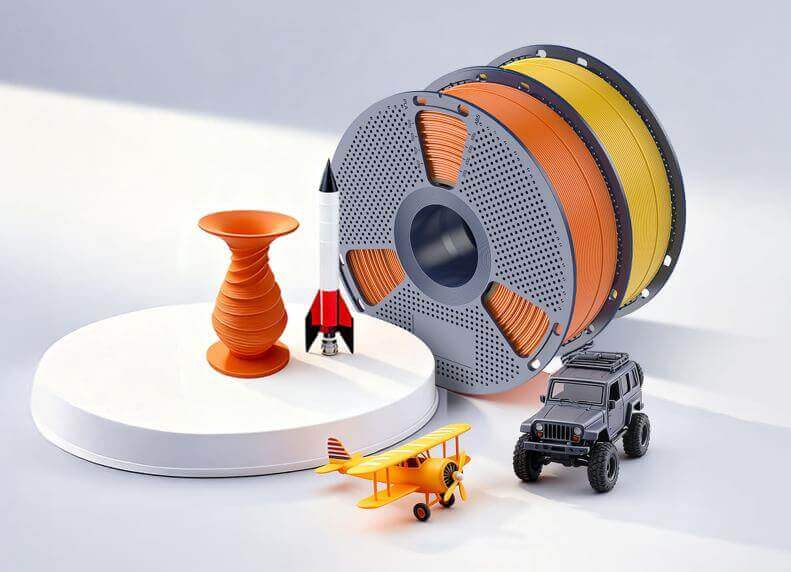
3D printer filament is a type of continuous thermoplastic strand used in fused deposition modeling (FDM), also known as fused filament fabrication (FFF). During a print, the printer feeds the strand into a heated nozzle. The nozzle melts the material and deposits it layer by layer to create a three-dimensional object.This guide explains the main material types, common applications, purchase considerations, quality factors, and proper storage methods. Read on to learn more!Types of 3D Printer FilamentsMaterial choice affects printability, surface appearance, flexibility, strength, and resistance to heat or chemicals. The following options cover a wide range of projects:PLA: Polylactic acid is easy to use and works well for models, decorations, prototypes, and classroom projects. However, PLA has limited heat resistance and may not suit parts exposed to high temperatures.PETG: Polyethylene terephthalate glycol offers a useful balance of toughness, chemical resistance, and printability. It is a practical choice for containers, brackets, protective covers, and general-purpose functional parts.ABS: Acrylonitrile butadiene styrene provides good toughness and heat resistance. It is common in durable prototypes, enclosures, and mechanical components. ABS can warp as it cools, so an enclosed printer and suitable ventilation can improve results.TPU: Thermoplastic polyurethane is a flexible material used for seals, grips, protective cases, soft hinges, and impact-resistant parts. Its softness can make precise extrusion more difficult, especially with some feed systems.PP: Polypropylene is lightweight and resistant to many chemicals. Common uses include living hinges, containers, and laboratory components. Its low surface energy can make bed adhesion difficult.PC: Polycarbonate offers high strength, impact resistance, and better heat resistance than common hobby materials. It suits demanding functional components, but it usually requires high nozzle temperatures, a heated bed, and an enclosed printer.PEEK: Polyether ether ketone is a high-performance engineering polymer with strong mechanical, thermal, and chemical properties. It requires specialized equipment that can reach and maintain very high temperatures, so it is more common in industrial applications.Common 3D Printer Filament Sizes3D printer filament is available in several diameters, with 1.75 mm and 2.85 mm being the most common. The 1.75 mm size is widely used by desktop FDM printers because it melts quickly, is easy to feed, and works with a broad range of printer models. The 2.85 mm size is used by certain professional and older printer systems and can provide a more rigid feed path.Always check your printer and extruder specifications before purchasing filament. A printer designed for 1.75 mm filament cannot normally use 2.85 mm filament without hardware changes. In addition to selecting the correct nominal size, choose filament with a tight diameter tolerance to support consistent extrusion and dimensional accuracy.Common Applications of 3D Printer FilamentDesigners use filament to produce prototypes that help them check dimensions, ergonomics, and part fit before full-scale production. Film, theater, and cosplay creators use it for props, armor pieces, masks, and detailed accessories. Schools can create anatomical models, geometric shapes, historical replicas, and other educational aids.Filament also works well for toys, figurines, puzzles, and hobby projects. More durable materials support functional parts such as brackets, tool holders, housings, clips, jigs, and replacement components.What to Consider When Buying 3D Printer FilamentNot every spool will work well with every printer or project. Before you choose one, take a moment to consider these key factors:1. Diameter ToleranceLook for filament with a tight and consistent diameter tolerance. Large variations can cause uneven extrusion, dimensional inaccuracies, weak layers, or nozzle clogs.2. Printer CompatibilityConfirm that the hot end can reach the required temperature. Some materials also need a heated bed, enclosure, hardened nozzle, or specialized extruder. Flexible TPU, for example, may feed more reliably through an extruder with a short filament path.3. Spool WindingThe filament should unwind smoothly without knots, tangles, or severe overlaps. Poor spool winding can disrupt the filament feed and cause a print to fail.4. Intended UseMatch the material to the part’s environment. PLA may suit a display model, while PETG, ABS, or PC may suit a functional component. TPU is appropriate when the part must bend or absorb impact.5. Cost EfficiencyDo not focus on price alone. Consider the filament’s quality, read product reviews, and check other users’ experiences to see whether it delivers consistent results and good value for the price.Why the Quality of Filament MattersFilament quality has a direct effect on extrusion and final part strength. If strand diameter varies too much, the printer may deposit too much or too little material. This can cause rough surfaces, dimensional errors, weak layers, or gaps in the finished part.Contaminated, brittle, or poorly manufactured filament may also clog the nozzle. Poor spool winding can restrict the feed path during a long job. These problems waste filament and print time, and they may cause the entire job to fail.By contrast, high-quality filament helps maintain consistent extrusion, accurate dimensions, smooth surfaces, and strong layer bonding. These benefits improve the appearance and reliability of printed parts and are especially important for functional components that must withstand regular use.For users who want dependable 3D printing filament, SUNLU provides high-quality 3D filament options. You can choose from a range of filament types to suit different printers, projects, and performance needs.How to Store 3D Printer FilamentMany filament materials absorb moisture from the air. Once damp, they may cause stringing, whitening, or bubbling during a print. Proper storage helps prevent these problems and preserve filament quality.Keep opened spools in airtight containers or resealable vacuum bags with desiccant packs. Replace or reactivate the desiccant when necessary.If the filament has already absorbed moisture, place it in a filament dryer and use settings suitable for the material. Note that the right dry temperatures vary among PLA, PETG, TPU, PC, PEEK, and other filaments. Excessive heat can soften the filament or deform the spool, so follow the supplier’s instructions.Conclusion3D printer filament comes in a wide range of materials for projects such as classroom models, prototypes, props, toys, and functional parts. Each material offers a different balance of printability, strength, flexibility, heat resistance, and cost. Choose a filament that suits your printer, project, and print environment. Consistent diameter tolerance, neat spool winding, reliable quality, and proper storage can help reduce print failures and produce stronger, cleaner parts.If you want to exchange ideas, share your projects, or get practical advice from other 3D printing users, join the conversation on the SUNLU Community today!

Formnext Asia Shenzhen 2026

Exhibition

Formnext Asia Shenzhen 2026

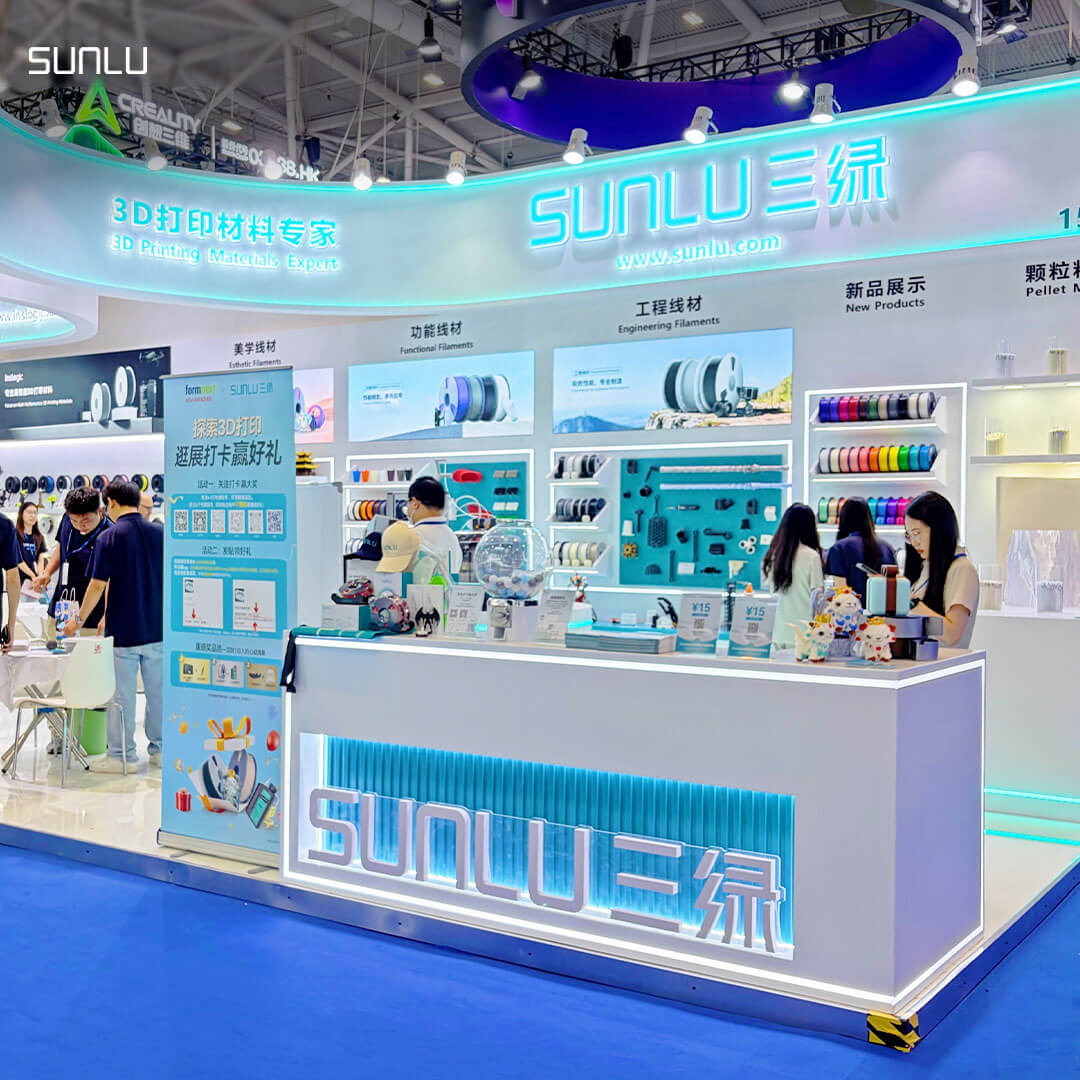
On August 28, the 2026 Shenzhen International 3D Printing, Additive Manufacturing and Precision Molding Exhibition came to a successful close at the Shenzhen World Exhibition & Convention Center. Over the three-day industry event, SUNLU showcased a wide range of new products and its comprehensive portfolio at Booth 15D103 in Hall 15. The booth remained bustling throughout the exhibition, with lively discussions and strong engagement from visitors.From breakthroughs in material performance to diverse application scenarios, and from in-depth technical discussions to fun and engaging on-site activities, SUNLU brought together industry professionals, engineers, designers, and makers to explore the possibilities of 3D printing and celebrate the successful conclusion of the exhibition.The New Product Showcase featured several new products, including PLA+ Silk 2.0, PP 2.0, and PETG 2.0. These new filaments attracted a steady stream of visitors who stopped by to learn more and discuss their features.Models printed with the new filaments drew considerable attention thanks to their refined surface finish and consistent printing performance, giving visitors an up-close look at the improvements these new materials bring to the printing experience.The Engineering Materials Zone featured high-performance materials such as PEEK, PC-ABS, and PA6-CF, along with large-scale models of robots, aircraft models, and other applications printed with engineering-grade materials.With advanced properties such as carbon-fiber reinforcement and high-temperature resistance, these engineering materials are demonstrating increasing value in applications including industrial manufacturing and aerospace. Their performance characteristics and potential applications attracted numerous professional visitors interested in learning more about the materials and their real-world use cases.The Functional Materials Zone featured a variety of functional filaments and printed models, including PLA Carbon Fiber and the TPU series.With its excellent elasticity, resilience, and flexibility, TPU is widely used in wearable applications. Many visitors had the opportunity to handle and test the printed models themselves, experiencing their flexibility and resilience firsthand while discovering the diverse possibilities of functional filaments in flexible components and functional structural parts.The Aesthetic Materials Zone quickly became one of the most popular areas of the booth. Exquisite printed models—including wearable nail art, home lighting products, and floral decorations—attracted many visitors to stop, admire, and take photos.Aesthetic filaments such as PLA+ Silk and PLA Rainbow open up even more possibilities for creative expression, extending the applications of 3D printing into fashion, home décor, art, and other creative fields.The Resin Materials Zone featured a selection of photopolymer products, including Rigid Photopolymer Resin and High-Transparency Rigid Photopolymer Resin.The displayed models attracted numerous enthusiasts and designers with their high-precision printing performance, allowing visitors to take a closer look at the distinctive advantages of resin materials for highly detailed and precise applications.The Electronic Products Zone showcased a comprehensive range of products, including the AMS Lite Heater, S4 Pro, E2, SP2, S4 Filament Dryer, and Filament Splicer.Based on visitors' specific needs and use cases, SUNLU staff provided recommendations on selecting the most suitable filament dryer.Among the products on display, the new AMS Lite Heater became one of the major highlights of the exhibition. A 3D printer was connected to the AMS Lite Heater for a live demonstration, allowing visitors to see the complete process of simultaneous filament drying and printing.By helping address the issue of filament reabsorbing moisture during printing, the AMS Lite Heater provides a more stable filament environment and helps support consistent, high-quality printing.As one of SUNLU's major new products for 2026, the AMS Lite Heater is scheduled to officially launch in the second half of the year. Stay tuned for more exciting updates!The Pellet Materials Zone also attracted significant attention. A variety of FGF pellet materials were displayed alongside large-format models printed with these materials.The printed results provided a direct visual demonstration of the advantages of pellet-based materials for large-scale 3D printing, allowing visitors to explore the possibilities of producing larger parts and models through pellet extrusion technology.Throughout the exhibition, the activity area at the SUNLU booth remained lively, with many visitors actively taking part in the on-site activities.These fun and interactive experiences allowed visitors to enjoy the creative possibilities of 3D printing in a relaxed atmosphere, adding an engaging and entertaining element to an otherwise highly technical industry event.Three days passed in the blink of an eye, but the enthusiasm and conversations continued throughout the exhibition.This three-day industry event was not only a concentrated showcase of SUNLU's comprehensive product portfolio and technical capabilities, but also an opportunity for meaningful dialogue with industry professionals, creators, and innovators.From the impressive debut of major new products to the comprehensive presentation of diverse material categories; from in-depth technical discussions to engaging on-site activities, every detail reflected SUNLU's continued commitment to material innovation and highlighted the vast potential of 3D printing across an increasingly diverse range of applications.The closing of one exhibition marks the beginning of another journey of exploration.Every recognition received and every meaningful conversation during the exhibition will continue to motivate SUNLU as we deepen our commitment to the 3D printing industry.Looking ahead, SUNLU will continue to put users at the center and creators first, continuously advancing our products and technologies while developing more comprehensive, full-scenario solutions for applications across industries.Together with creators around the world, SUNLU will continue to explore new possibilities in 3D printing and work toward a new future for the industry.

Expo3D Brazil 2026

Exhibition

Expo3D Brazil 2026

From August 21 to 23, 2026, SUNLU made an exciting appearance at the Brazil exhibition, where we connected with numerous 3D printing enthusiasts and industry partners at Booth B4, Instituto Mauá de Tecnologia, São Caetano do Sul, Brazil.Our exhibition journey in Brazil has come to a successful close! In an atmosphere filled with passion and creativity, SUNLU connected with 3D printing enthusiasts, creators, and industry partners from Brazil and around the world to celebrate the limitless possibilities of 3D printing.Throughout the event, the SUNLU booth welcomed a steady stream of visitors eager to explore, connect, and exchange ideas. From a vibrant selection of 3D printing filaments to eye-catching large-scale printed models and a variety of 3D printing solutions on display, every part of the booth became a space for creativity and inspiration.A Passionate Community and Endless CreativityThe exhibition floor was buzzing with energy and enthusiasm.We had the opportunity to meet countless creators passionate about 3D printing and engage in meaningful conversations with makers from different backgrounds. Some were interested in the performance of different materials, while others explored the wide range of colors and creative possibilities available. Many visitors were also drawn to the impressive large-scale 3D printed models showcased at the SUNLU booth.The colorful selection of SUNLU filaments became one of the highlights of the display. From vibrant reds, yellows, blues, and greens to a wide variety of other colors, each spool represented more than just a printing material—it offered another way for creators to bring their ideas to life.In the world of 3D printing, every color can be the beginning of a new creative story.From a Spool of Filament to a World of CreativityAt the SUNLU booth, we showcased more than just a wide range of 3D printing filaments. We wanted visitors to experience firsthand how a simple spool of filament can be transformed into something extraordinary.Large-scale printed models, colorful bird sculptures, creative character designs, and other eye-catching 3D printed works attracted visitors to stop, take photos, and share ideas. The vibrant colors, intricate structures, and imaginative designs offered a vivid demonstration of what is possible when creativity meets 3D printing.From cosplay props and artistic displays to personalized models and functional creations, 3D printing continues to help more people transform their ideas into reality.At SUNLU, our goal is to support every step of that creative journey by providing reliable materials and solutions that help creators start creating more easily—and keep creating with confidence.The Exhibition Ends, but Creativity ContinuesEvery exhibition eventually comes to an end, but creativity never stops.Our time in Brazil gave us the opportunity to experience the passion and energy of the local 3D printing community firsthand. It also reminded us that no matter where creators come from, the desire to imagine, create, and share is something that connects us all.Thank you to everyone who visited the SUNLU booth. Thank you for your support, your conversations, and your enthusiasm. Every visit, every exchange of ideas, and every inspiring creation helped make this exhibition an unforgettable experience.Looking ahead, SUNLU will continue to connect with creators around the world, explore new possibilities in materials and 3D printing applications, and provide reliable support for every new idea.Our journey in Brazil may have come to an end, but the stories of creativity are still being written.We look forward to seeing you again at our next event.Keep creating. Keep innovating. Explore the limitless possibilities of 3D printing with SUNLU! 🚀

Meet SUNLU' s AMS Lite Heater: Print While Drying for Better Results

Corporate News

Meet SUNLU' s AMS Lite Heater: Print While Drying for Better Results

Moisture-affected filament is behind some of the most frustrating problems in FDM 3D printing, including stringing, whitening, and bubbling. These issues can turn an otherwise perfect print into a disappointment, leaving rough, unsightly surfaces and making you spend extra time cleaning up strings and blemishes after every print.That’s exactly the problem SUNLU set out to solve with the AMS Lite Heater, a filament dryer designed to integrate seamlessly with your AMS Lite, launching July 20, 7:00 AM UTC. It is compatible with Bambu A1, A1 Mini, and A2L. The goal is simple: eliminate printing issues, boost your print success rate, and simplify your creation. Print and Dry at the Same TimeTypically, filament drying and printing are two separate steps. You need to dry filament first and then load it into the printer, which can be inconvenient. In addition, the filament can gradually absorb moisture again during printing, especially when the environment is humid.Our AMS Lite Heater addresses the issues by adding a dry-while-printing capability to your AMS Lite without losing any of the original AMS Lite features. You can have cleaner prints and a more convenient user experience. You also save on desk space, since you no longer need a separate external filament dryer running alongside your printer.Wide Drying Temperature Range, Compatible with Different FilamentsThe AMS Lite Heater reaches drying temperatures of up to 70°C and covers the drying needs of nearly every material on the market today, including PLA, PETG, ABS, ASA, PA, PC, and other mainstream 3D printing filaments. With our AMS Lite Heater, you no longer need to switch different filament dryers for different filament types since one device can handle it all. The result is high device utilization and high overall value.Dual-Side, Dual-Airflow Design for Even DryingInstead of a single airflow channel heating from one side, the AMS Lite Heater uses a dual-side, dual-airflow structure that distributes heat across the entire chamber.This eliminates the uneven temperatures and hot/cold spots common in single-channel designs. Hot air circulates with no dead zones and no major temperature gaps across the chamber.We tested the heating uniformity of our AMS Lite Heater by measuring temperatures at eight points across the spool while heating from room temperature (25℃) to 70℃. As shown below, the results confirmed even heat distribution throughout the chamber, with actual readings closely matching the target temperature, validating both the consistency and precision of our heating system.The payoff is consistency: every part of the filament spool dries at the same rate, so you don’t end up with sections that are overdried or underdried. That consistency helps prevent warping, uneven layer formation, and filament breakage, keeping your print quality stable from spool to spool.Smart Auto-Valve for More Efficient DryingBuilt into the AMS Lite Heater is a dedicated smart auto-valve that automatically manages moisture release throughout the drying cycle, eliminating the need for manual vent control.In other words, the AMS Lite Heater can actively release moisture as it’s generated. It prevents water vapor from lingering, pooling, or recirculating back into your filament, which can often occur with passive venting systems.That active approach means faster, more efficient drying cycles, and it makes the process more convenient especially for long print jobs or continuous production runs.Smart Humidity Sensing, Round-the-Clock ProtectionThe AMS Lite Heater comes with a high-precision humidity sensor that continuously monitors chamber conditions. You can set a humidity threshold, and drying kicks in automatically the moment it’s exceeded. This gives you fully automated humidity control: no need for manual monitoring or remembering to switch drying on and off.The result is 24/7 protection against moisture, condensation, and filament degradation, meaning less wasted filament, fewer print defects, and less time spent babysitting your equipment.Safety You Can Trust, Longevity You Can Count OnOur AMS Lite Heater offers comprehensive protection. It features PTC heating (which self-regulates resistance based on temperature, cutting heat automatically at abnormal highs), a PTC temperature-protection switch that disconnects on overheating and resumes once cooled, and dedicated software-level safeguards.Longevity is built in too. Our full-load validation testing shows that, with the AMS Lite Heater installed, the AMS Lite’s internal control board temperature remains below 55°C during continuous operation. Compared with the widely accepted long-term operating guideline of below 90°C for PCB electronic assemblies, the measured temperature remains well within the recommended safe operating range. In other words, there’s little risk of overheating-related failure and you can run the AMS Lite Heater regularly without worrying about it shortening the lifespan of your AMS Lite.Why We Build This Filament DryerAt SUNLU, we understand how frustrating moisture-related defects can be, and our goal has always been simple: simplify your creation.By enabling Print While Drying, our AMS Lite Heater keeps filament continuously dry during the entire print job. The result is significantly reduced stringing, smoother surfaces, and cleaner final models.We are also committed to creating the best possible product. That’s why our AMS Lite Heater comes with four extra 1.2-meter PTFE tubes for guiding filament from the unit to your printer. These tubes provide greater flexibility when arranging your setup, allowing the heater to be placed more freely rather than being fixed next to the printer. Even when used with the A2L, the extra tube length lets you fully open both side doors for easy filament changes, without being restricted by tube length.Get Ready for July 20The SUNLU AMS Lite Heater launches July 20, 7:00 AM UTC. If stringing, print failures, and inconsistent filament quality have been holding your prints back, this is the upgrade built to fix it without giving up anything your AMS Lite already does well.Mark your calendar, and get ready to print smoother, drier, and more reliably than ever.Product Pricing:Super Early Bird Price: USD $99.99 for the first 200 units. Available during the first month of the pre-sale period.Early Bird Price: USD $109.99 for units 201–1,000.Pre-Sale Price: USD $119.99 for units 1,001 and above.Regular Price: USD $129.99 after the first month of the pre-sale period.Click to order now

Thirteen Years of Growth, One Unchanging Promise

Corporate News

Thirteen Years of Growth, One Unchanging Promise

To all SUNLU users, colleagues, partners, and shareholders,Thirteen years may be a brief moment in the history of an industry, but for us, it has been a long journey built step by step. From our early beginnings to today’s rapidly evolving 3D printing landscape, we have witnessed remarkable change. Technologies have advanced, hardware has become more capable, and materials continue to expand in both diversity and potential. New ideas and new partners emerge every day. We are sincerely grateful to be part of this journey with you.In a constantly evolving market, I often return to a simple question: how can SUNLU better serve 3D printing users and contribute to meaningful innovation in the industry? Our answer has remained unchanged. Stay true to our original purpose and always put users first. No matter how technology evolves, we hold ourselves to one standard: whether every print is smooth, reliable, and satisfying. Technology only matters when it solves real problems. This belief continues to guide everything we build.This principle also defines everything we do. We do not follow trends. Instead, we focus on real user needs and translate them into practical solutions. Our latest PETG 2.0 is engineered to maintain clean, stable printing performance even after prolonged exposure to air. The upgraded PLA+ Silk 2.0 delivers richer colors with enhanced gloss and brightness, balancing visual quality with functional performance. Our new AMS Lite Heater addresses a long-standing limitation of the AMS Lite system by enabling stable temperature control and supporting simultaneous drying and printing, significantly improving consistency in multi-material workflows. These improvements may appear modest, but they have a meaningful impact in daily use. For us, user experience is never negotiable. Every detail is refined through continuous testing and iteration. We are willing to take the longer path when necessary, because every successful print deserves that level of care.Our vision has never changed. We are committed to being a long-term leader in driving innovation and progress across the industry. This is not about competition or ranking, but about turning innovation across materials, hardware, and applications into practical, scalable solutions. We believe leadership is defined not by speed, but by impact. We also work with industry partners to build shared standards and an open ecosystem for collective growth.Based on this belief, we are moving forward with several key initiatives. Our new official website is now live, along with a dedicated community for 3D printing users worldwide. The community is designed as a space for sharing experiences, joining activities, and exchanging ideas. More importantly, it provides a direct channel for feedback, allowing our product, engineering, and support teams to listen closely and respond efficiently. We remain committed to staying close to our users and engaging in meaningful conversations about printing and creation.At the same time, I would like to share an important step in our global strategy. We are planning to establish a manufacturing base in the United States. From site selection to team building, every step is being carefully evaluated. Once completed, users in North America and other regions will benefit from shorter delivery times, stronger local support, and more responsive after-sales service. Wherever you are in the world, we want SUNLU to feel close and accessible.Looking back over the past thirteen years, we have gained not only technology and products, but also a deeper respect for this industry. Looking ahead, we will continue to focus on three priorities:1. Advancing materials science to make 3D printing materials more practical, reliable, and widely applicable.2. Building a more open and connected ecosystem that brings together hardware manufacturers, software developers, and users to create shared value.3. Expanding our global operations to ensure consistent quality across production, logistics, service, and user experience worldwide.Thirteen years of progress would not have been possible without your trust and support. We are sincerely grateful that you chose SUNLU and continue this journey with us. No matter how the industry evolves, we remain focused on what matters most: better products, better service, and better experiences. We will continue to work with care and consistency, so that every trust placed in us is well deserved. We look forward to building the next chapter with you and making 3D printing even more creative and meaningful.Stay true to our original purpose and keep moving forward. SUNLU looks forward to the next thirteen years with you.Jack JiangFounder & CEO of SUNLUJune 30, 2026